St. Patrick’s Day is always a fun celebration in my house, filled with music and hearty food and stories from the past (ok, maybe that’s most days, but hey that’s the risk you take when the lady of the house is a historian). However, a family that traces its descent from Ulster Scot Presbyterians and Welsh coalminers is hardly the ideal candidate to celebrate a predominately Catholic saint’s day. It just goes to show that family history is, frankly, complicated.
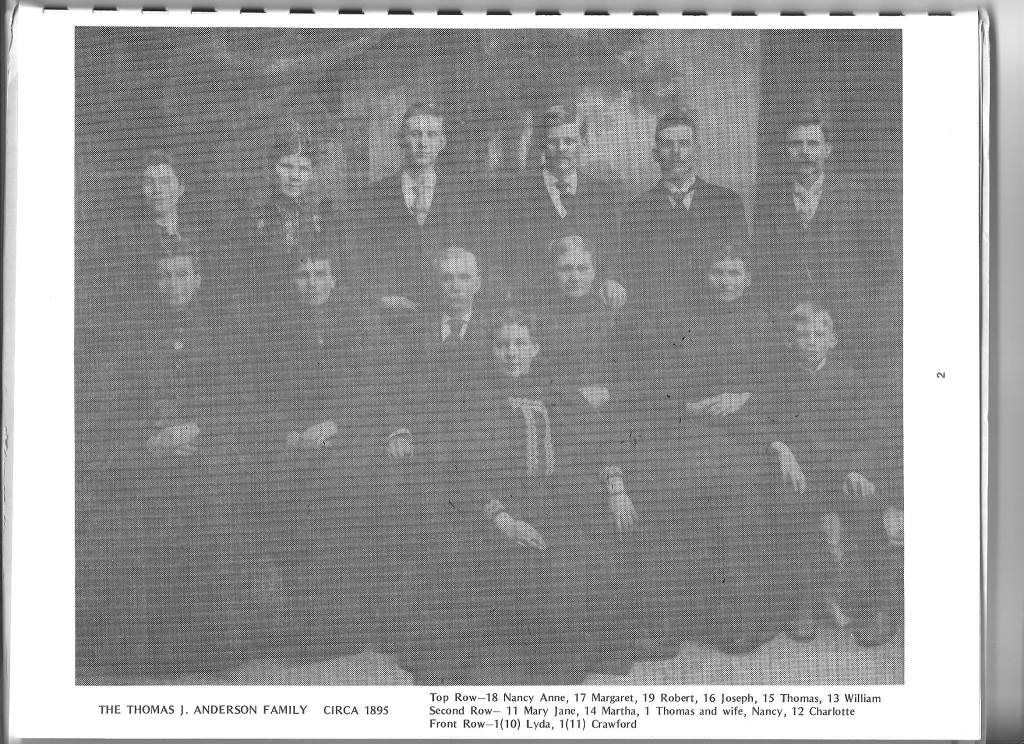
One line of my family traces its roots back to Derry, Northern Ireland. Presbyterian farmers who were most likely moved to the area during the Clearances in the Scottish Lowlands, they chafed against the Anglican elite and eventually took a ship for the New World in the early 1800s. They set themselves down in Western Pennsylvania, and most of us have never left (or if we have, we come back to visit whenever possible). This is hardly the only line of my family—like most Americans, I’m a conglomeration of ethnicities, nations, and cultures. This particular family tree, however, brings with it a strong sense of identity. We cook for each other, we get together frequently, we tell stories, we genuinely enjoy one another’s company—it’s who we are.
Family identity is a concept that is constantly being renegotiated by each generation. At some point, my family switched from speaking Gàidhlig to English. Thanks to the free app Duolingo, I’m now re-learning that lost language and with it gaining new insights into the cultures of the past. For example, there simply is no English equivalent for the Gàidhlig concept of bó shamhna: a cow claimed lifted at Halloween time! Just amazing. In how many other ways have we lost the ability to understand the generations who came before us?
So we’ll wear the green and the orange. We’ll eat a tasty stew and probably introduce our kids to the classic Disney flick Darby O’Gill and the Little People (watch out for that banshee, people). I’ll continue to work on my Gàidhlig lessons. I’ll tell the stories of the past, from my great-grandparents all the way back to Cù Chulainn. And we’ll work out this idea of identity as we go.
If you want to learn more about preserving and passing down your family history, check out what we’re doing at the Titusville Historical Society. We offer free online classes twice a month to teach you the tools of the trade, along with lots of other fun programs and exhibits. See our Facebook page for March’s schedule!
Slàinte mhath, a chàirdean!

 The Free-Range Historian